Understanding the Alex Brush Script Embroidery Font - L
In the world of custom textile work and branding, the details often speak louder than the product itself. When you are working with embroidery, the digitization of a font is just as critical as the visual design. The Alex Brush Script Embroidery Font - L represents a specific intersection of artistic calligraphy and technical precision. It is not merely a typeface adapted for thread; it is a professionally digitized asset designed to behave predictably on fabric. For designers, entrepreneurs, and hobbyists, understanding how this script font functions can be the difference between a project that looks amateur and one that feels high-end.
The Anatomy of a Professional Script Typeface
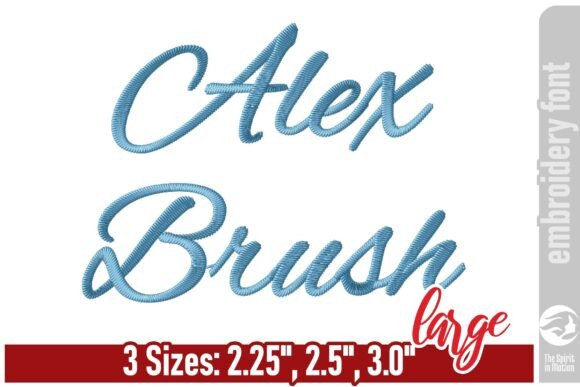
Visually, the Alex Brush style is defined by its flowing loops and sophisticated, cursive aesthetic. It mimics the natural pressure variations of a broad-tipped brush or pen, giving it a humanistic quality that rigid sans serif font options lack. However, in the context of embroidery, "flow" can be a liability if not handled correctly. Loose, sweeping strokes can often lead to puckering or thread breaks if the stitch density is incorrect.
This particular font has been meticulously digitized to manage those transitions. The "L" designation and the professional engineering behind it mean that the stitch count has been optimized. This creates a premium font experience where the needle travels efficiently, ensuring the design sits flush against the fabric. For the maker, this technical reliability translates to less time spent on machine maintenance and fewer wasted materials. It is a creative font that prioritizes durability without sacrificing the elegance of a handwritten style.
Strategic Applications for Branding and Design
The versatility of the Alex Brush Script Embroidery Font - L extends far beyond monogramming towels. From a brand identity perspective, this typeface offers a distinct personality that suits specific industries and emotional tones. It is an ideal choice for businesses that want to convey warmth, luxury, or artisanal craftsmanship.
Consider the following practical applications:
- Wedding and Event Decor: The flowing nature of this script font is perfectly suited for bridal robes, table linens, and keepsakes. It adds a personalized, high-end touch that complements formal aesthetics.
- Custom Apparel and Fashion: For streetwear brands or boutique clothing lines, using this display font on hoodies, caps, or tote bags creates a soft, approachable look. It works well as a focal point on chest pockets or sleeve placements.
- Packaging and Editorial Design: While primarily for embroidery, the digital files often included with such fonts allow for use in packaging design or editorial design. It can serve as a beautiful header on lookbooks or hang tags, bridging the gap between the physical product and the marketing materials.
- Logo Design: For small business owners in the service industry—such as salons, bakeries, or photography studios—this font can serve as a cornerstone for logo design. Its legibility at various sizes makes it a strong candidate for signage and uniforms alike.
Mastering Font Pairing and Visual Hierarchy
One of the most common pitfalls in modern typography is the overuse of decorative fonts. The Alex Brush Script Embroidery Font - L is a powerful tool, but it requires restraint and context to be effective. It functions best as a headline or accent typeface rather than a body text solution.
When building a layout, consider the principle of contrast. Because Alex Brush is ornate and organic, it pairs exceptionally well with structured, clean typefaces. A geometric sans serif font or a sturdy serif font can ground the design, ensuring that the message remains legible. For example, if you are designing a logo for a coffee shop, you might use Alex Brush for the shop name to evoke a hand-roasted, artisanal vibe, but use a simple sans serif for the "Est. 2024" tagline to ensure clarity.
This approach establishes a clear visual hierarchy. The eye is drawn to the expressive script first, then moves to the supporting information. This strategy is essential not just for embroidery, but for social media graphics and web design, where user attention spans are short. The font’s ability to draw the eye makes it a valuable asset for content creators looking to increase engagement.
Evaluating Technical Fit and Licensing
Before integrating any new typeface into your workflow, practical evaluation is necessary. The "L" in this font's name often refers to a specific size optimization or style variation within the set. When working with embroidery files, you must test the font on the specific fabric you intend to use.
Here is a checklist for implementation:
- Fabric Compatibility: While the digitization minimizes puckering, extremely lightweight fabrics like silk chiffon may still require a stabilizer. Test the Alex Brush Script Embroidery Font - L on a scrap piece of your target material to check for thread tension issues.
- Size Constraints: Even the best handwritten font has a minimum legibility threshold. If you scale the design down too small, the intricate loops of the "L" or "g" might merge, creating a messy stitch-out. Always adhere to the manufacturer's recommended minimum height.
- Commercial Licensing: For small business owners and entrepreneurs, verifying the license is non-negotiable. Ensure that the purchase of this commercial font covers the production of physical goods for sale. Most standard licenses cover this, but if you are creating digital design assets for resale (such as selling the font file itself), you will need a different agreement.
Ultimately, the Alex Brush Script Embroidery Font - L is more than just a set of letters; it is a design asset