Angelina Embroidery Font: A Guide to Its Elegant Script Style
Understanding the Visual Character of Angelina
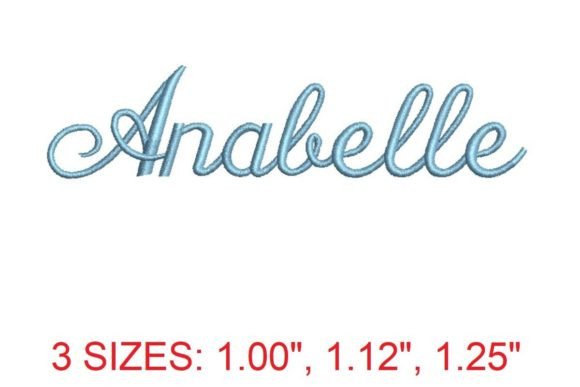
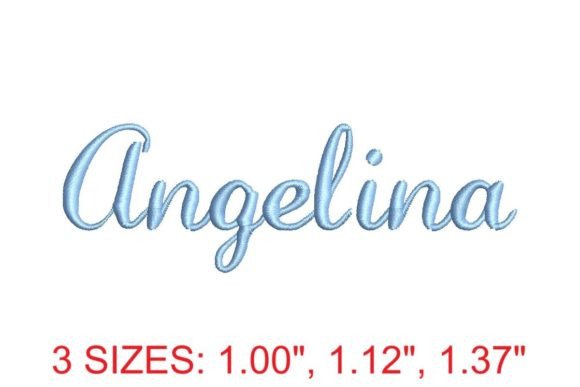
The Angelina Embroidery Font is a premium, script-style typeface designed specifically for the unique demands of needlecraft. Unlike a standard digital font you might use in a word processor, this is a true embroidery font, meaning its letterforms have been meticulously digitized with stitch direction, density, and flow in mind. Its visual personality is one of graceful sophistication. The characters feature flowing, connected strokes that mimic the look of elegant hand-lettering or fine calligraphy, with ornate details and subtle flourishes that add a layer of refinement.
This isn't a bold, attention-grabbing display font; it's a creative font built for elegance. The overall appeal lies in its ability to convey a sense of luxury, tradition, and personalized care. The curves are smooth and intentional, designed to stitch out cleanly on fabric, avoiding the puckering or thread breaks that can plague poorly digitized designs. It strikes a beautiful balance between the organic feel of a handwritten font and the precision required for professional-quality embroidery.
Where Angelina Truly Shines: Practical Applications
Knowing a font's aesthetic is one thing; understanding where it delivers real value is another. The Angelina Embroidery Font excels in projects where a personal, high-end touch is desired. Its strengths are most apparent in applications where detail and elegance are paramount.
For small business owners and entrepreneurs in the fashion or gift industry, this font is a powerful brand identity asset. Imagine it on the cuff of a luxury monogrammed shirt, the corner of a bespoke baby blanket, or the label inside a handmade leather bag. It instantly elevates the product, suggesting quality craftsmanship and attention to detail. For crafters and hobbyists, it transforms simple projects into cherished keepsakes—think wedding handkerchiefs, personalized pillows, or decorative wall art with meaningful quotes.
In the realm of editorial design and packaging, a font like Angelina can be used for specific, high-impact elements. While not suited for body text, it’s perfect for a logo design for a boutique, the title on a recipe card, or elegant branding on artisan product packaging. Social media graphics for businesses in the wedding, floral, or gourmet food space can also benefit from its refined style, creating a cohesive and sophisticated visual language that resonates with a discerning audience.
Making Informed Design Choices with Angelina
Integrating any new design asset into your workflow requires a thoughtful approach. First, consider project fit. The Angelina Embroidery Font is a script font, which means it prioritizes style over the stark readability of a sans serif font. It’s perfect for short names, monograms, or single words where the decorative quality is the main focus. For longer phrases or sentences, you may need to increase the size and ensure the fabric provides a stable, high-contrast background.
A key consideration is font pairing. In the broader world of modern typography, combining a script with a simpler typeface creates visual hierarchy. For embroidery, this might mean using Angelina for a main name and a clean, sans serif font for a date or location underneath. This contrast ensures the important information remains clear while the script provides the stylistic flair.
When you download a commercial font like Angelina, you’re receiving a complete package. The provided information notes that the size and stitch counts shown are for the letters 'A' and 'a' as a summary. This is standard practice. For any serious project, always consult the full PDF guide included with your download. This document is essential for professional work, as it details the exact dimensions, stitch count, and thread color changes for every single one of the 156 included letters. This allows you to accurately plan your design, estimate thread usage, and ensure the final piece meets your specifications.
Finally, always test stitch. Hoop up a piece of your final fabric with the appropriate stabilizer and stitch out a few key letters. This simple step confirms how the font interacts with your specific material, thread, and machine, allowing you to make any necessary tension adjustments before committing to the final product. This practical testing is what separates a good project from a great one, ensuring the elegant details of the Angelina font are perfectly realized.